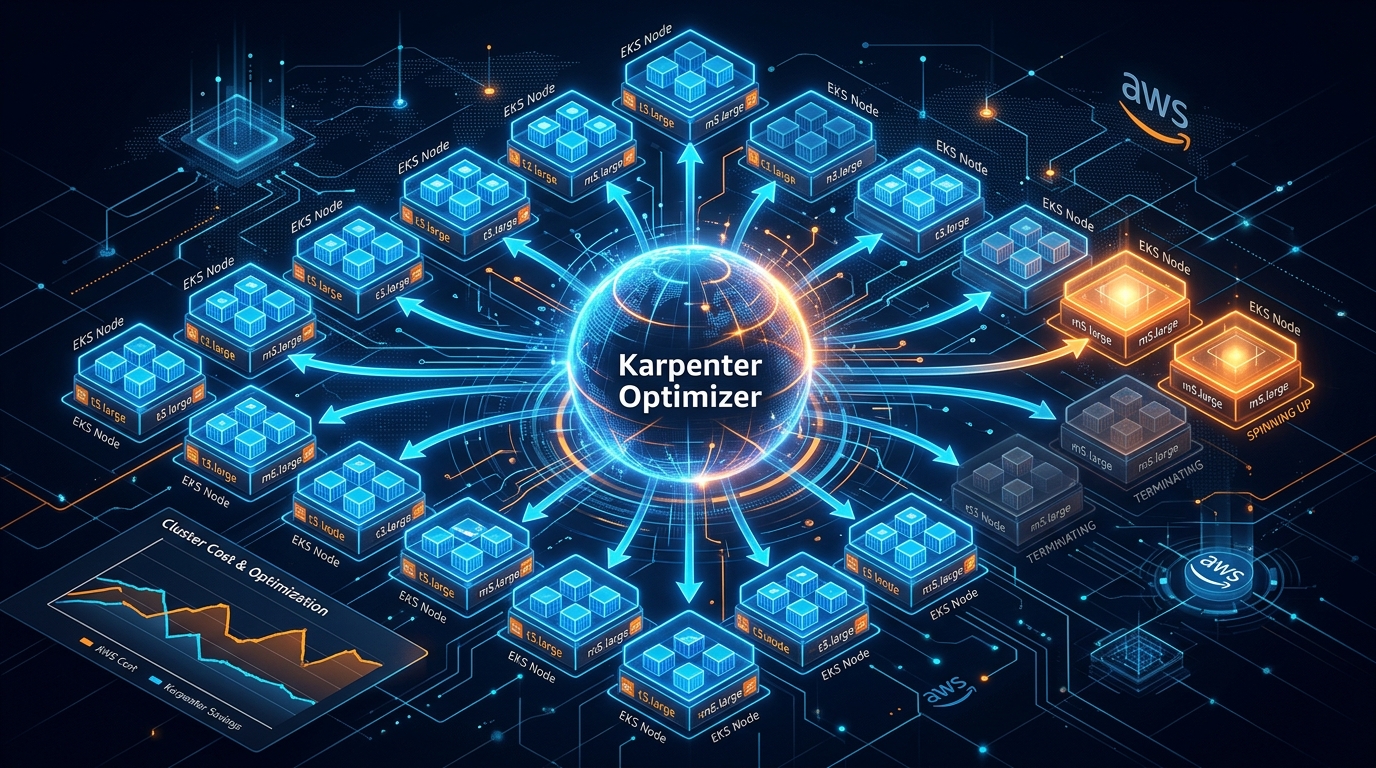
Karpenter vs Cluster Autoscaler: EKS Node Cost Optimization in 2026
Karpenter vs Cluster Autoscaler on EKS: consolidation + flexible NodePools beat half-empty ASG nodes. July 2026: karpenter.sh/v1, WhenEmptyOrUnderutilized, Spot mix checklist.
Blog category

Karpenter vs Cluster Autoscaler on EKS: consolidation + flexible NodePools beat half-empty ASG nodes. July 2026: karpenter.sh/v1, WhenEmptyOrUnderutilized, Spot mix checklist.

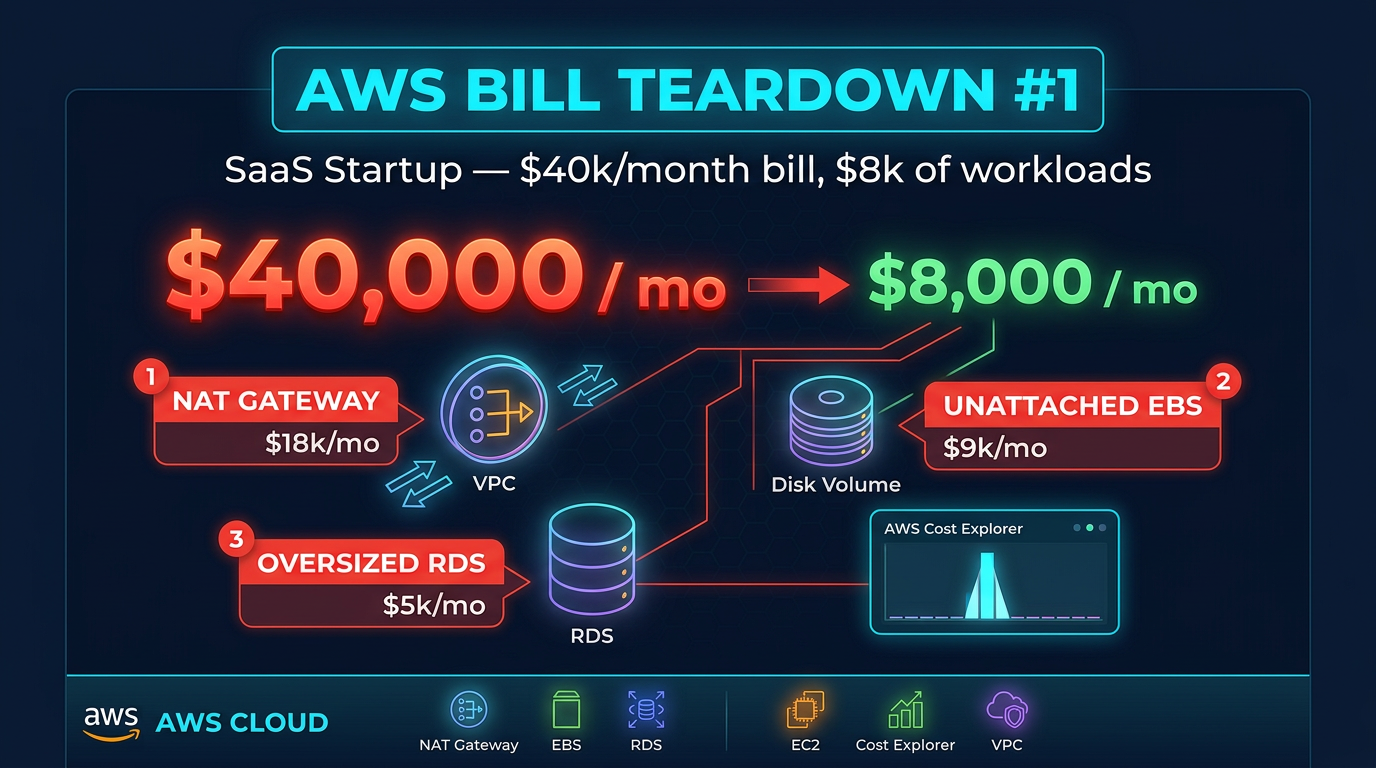
Anonymized Series A SaaS bill: ~$40k/month for ~$8–9k of real work. July 2026 refresh — free S3/DynamoDB gateway endpoints, EBS zombies, RDS rightsizing, Trusted Advisor on Business Support+.

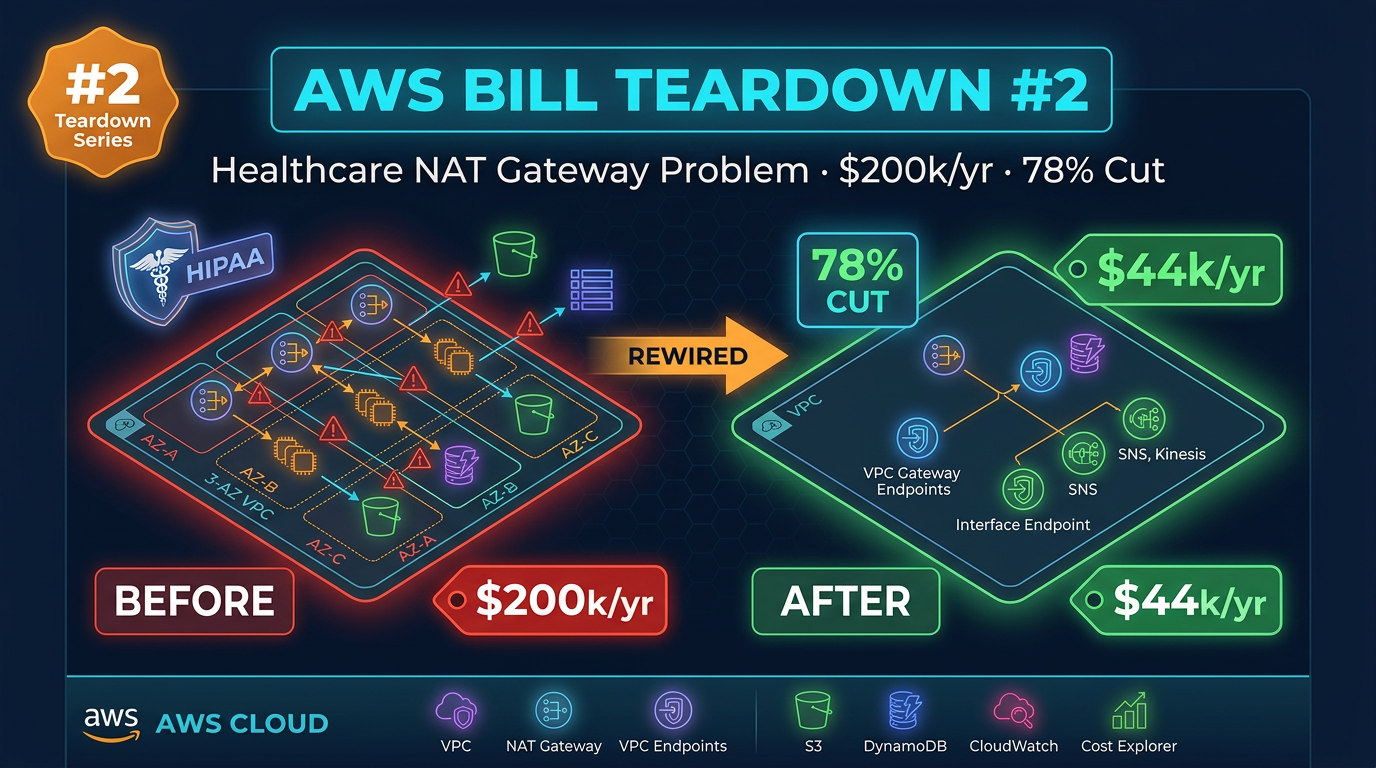
A healthcare estate was burning ~$200k/year on NAT. July 2026 refresh — NAT still ~$0.045/GB, free S3 gateway endpoints, Secrets Manager interface endpoints, and a VPC fix pattern that cut ~78%.

Autoscaling was supposed to make costs predictable by matching capacity to demand. Instead, it introduced feedback loops, burst amplification, and — with AI workloads — a new class of non-deterministic spend that no scaling policy anticipates.

Observability is not free, and the industry has collectively underpriced it. CloudWatch log ingestion, metrics explosion, and X-Ray trace volume can together exceed your compute bill — especially once AI workloads introduce high-cardinality telemetry at scale.

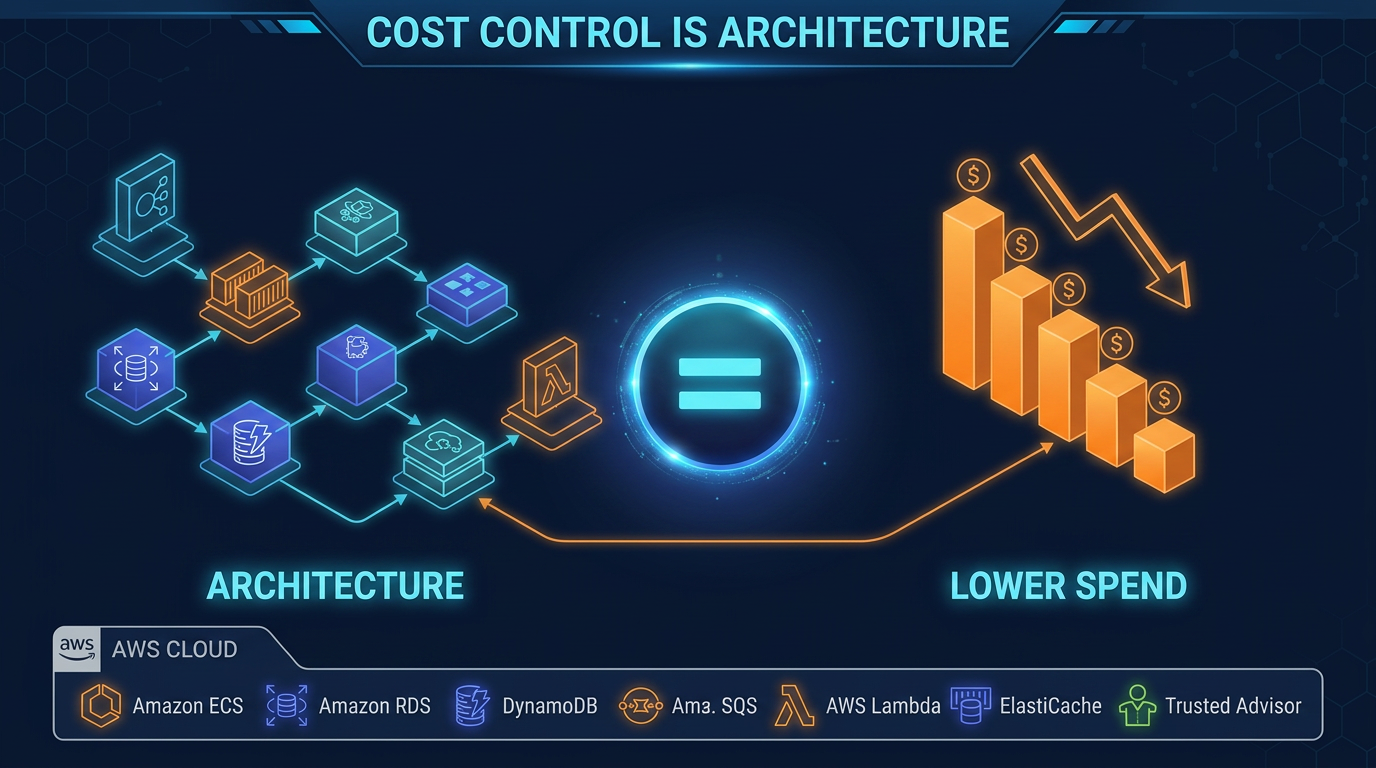
Savings Plans and Reserved Instances reduce the rate you pay. Architecture determines the volume you pay at. The most durable cost reductions in AWS come from designing systems that structurally generate less spend — not from negotiating a lower price for the same behavior.

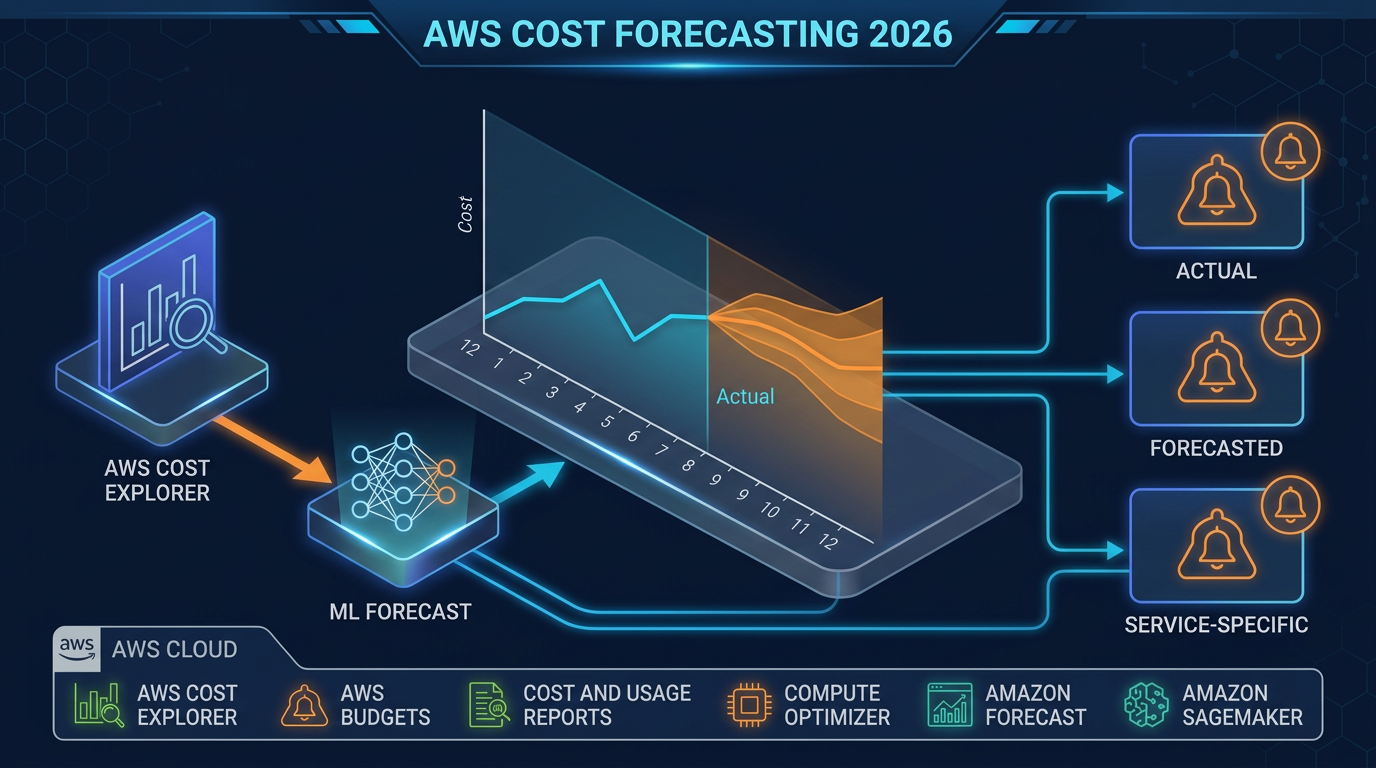
Most AWS cost forecasts miss by 30–50% not because engineers are careless, but because the forecasting model does not match how AWS actually charges. This is the playbook for getting forecasts right: which metrics to measure, which models to use, and where the structural gaps are.

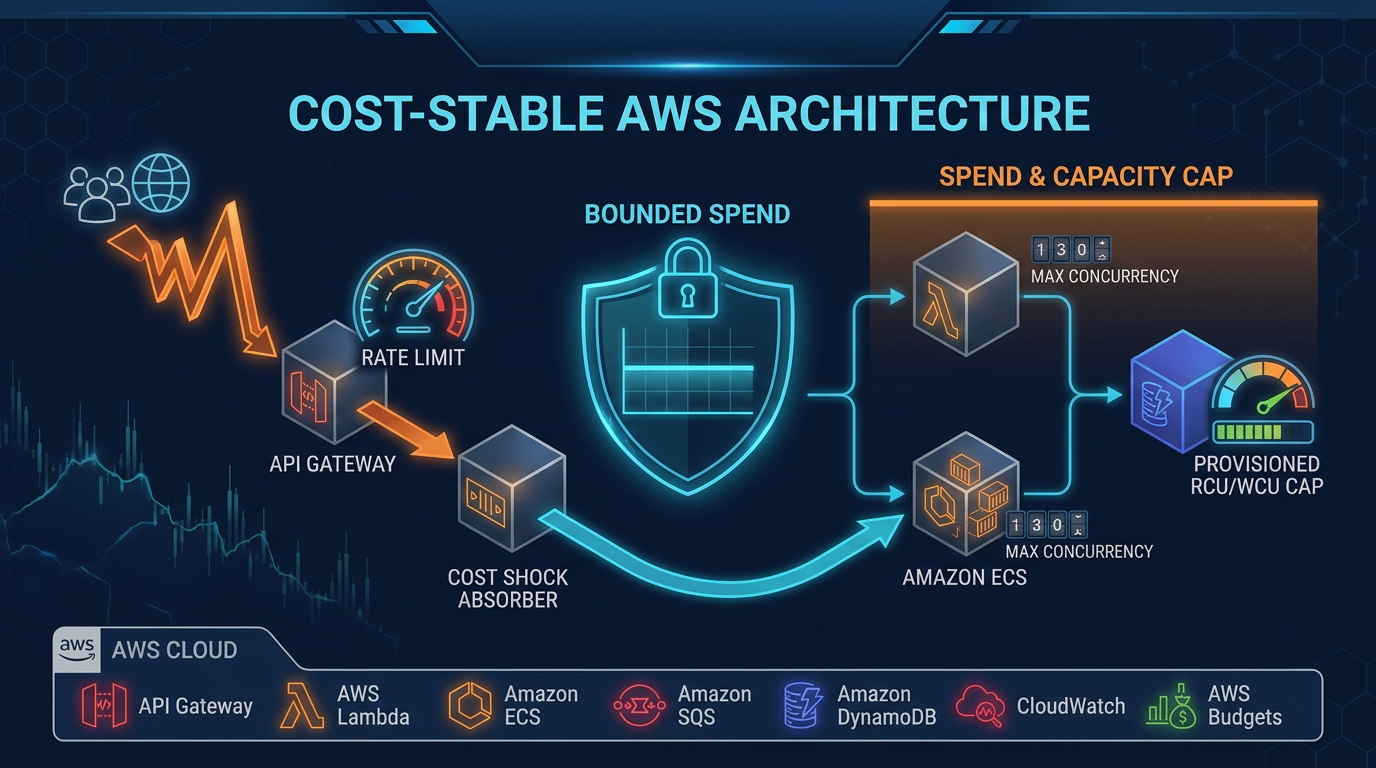
Cost-stable AWS design: bounded per-event spend, queues as shock absorbers, hard ceilings. July 2026 refresh with FinOps Agent / anomaly detection hooks.

Data transfer is the most consistently underestimated cost in AWS architectures. It does not appear in compute estimates, it does not scale linearly, and it punishes microservices designs at exactly the moment growth feels like success.

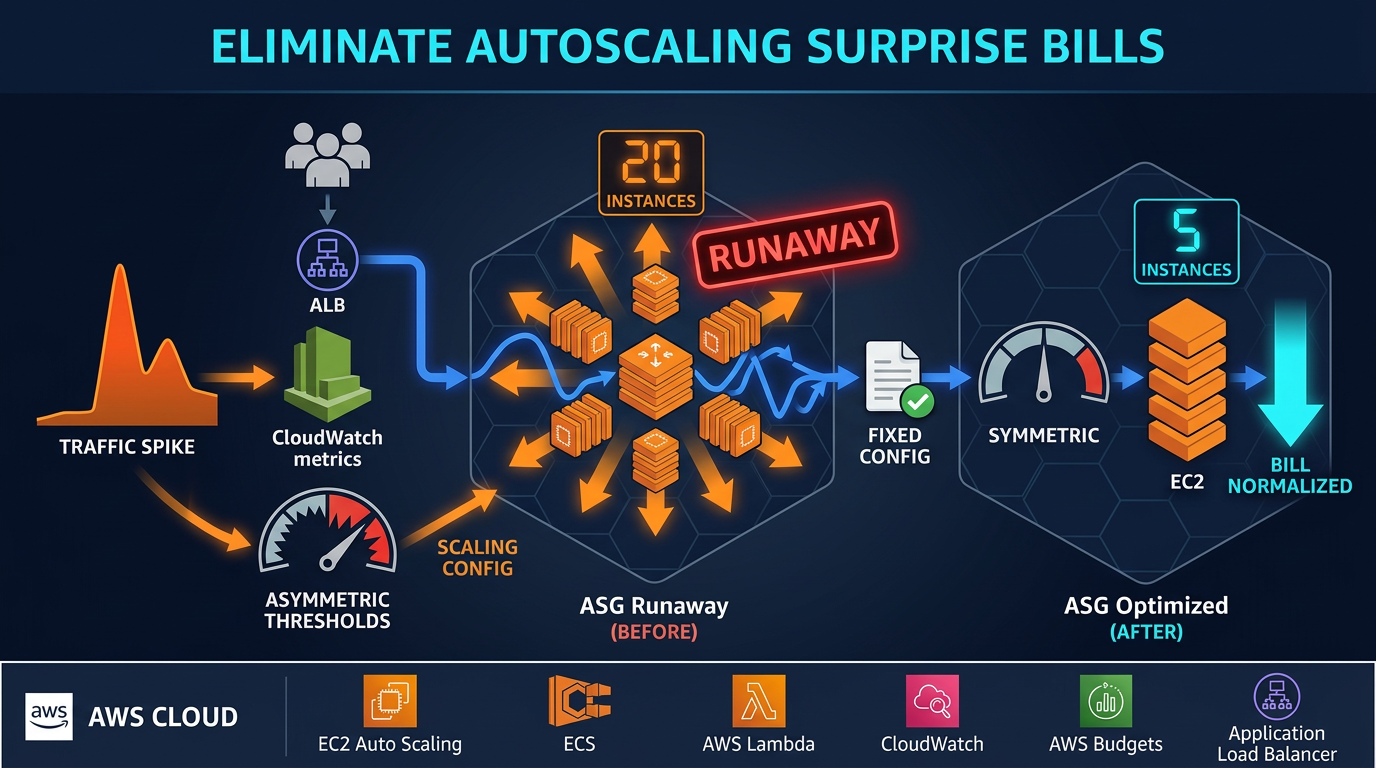
Autoscaling surprise bills are pattern-shaped: asymmetric thresholds, bad metrics, Lambda duration, Spot storms. July 2026 refresh — target tracking, Budget Actions, FinOps Agent.

The reason AWS cost problems grow undetected is not technical — it is organizational. Engineers make architectural decisions with no cost feedback. Finance sees bills 30 days late. No one owns the gap between the two.

AWS publishes every price publicly, yet bills still surprise teams in 2026. Costs emerge from service interactions — now including Bedrock/AgentCore — not from any single rate card.